Ghashghayi
Qashqai
قشقایی
Ghashghayi people originate from an ancient
Iranian tribe living mostly in
Fars province.
Ghashghayi are a people in
Iran speaking a Turkic language. The Ghashghayi language is closely related to Azerbaijani. Ghashghayis mainly live in the provinces of Fars,
Khuzestan and southern
Isfahan, but especially around the city of
Shiraz in Fars province.
The Ghashghayi were originally nomadic pastoralists and some remain so today. The traditional nomadic Ghashghayi travelled with their flocks each year from the summer highland pastures north of Shiraz roughly 480 km south to the winter pastures on lower (and warmer) lands near the
Persian Gulf, to the southwest of Shiraz. The majority, however, has now settled, or is partially settled. The trend towards settlement has been increasing markedly since the 1960s.
The Ghashghayi are made up of a number of tribes and sub-tribes including the Amalaeh, Darreh-Shuri, Kashkuli, Shesh Baluki, Farsimadan, Qaracheh, Rahimi and
Safi -
Khani.
Historically, the Turkic languages are believed to have arrived in Iran from Central
Asia from the 11th or 12th centuries onwards. Ghashghayi tribe may be a conglomeration of clans of different ethnic origins, Lori,
Kurdish,
Arab and Turkic. In Iran, all such tribes are called Ashayer.
The yearly migrations of the Ghashghayi, seeking fresh pastures, drive them from the south to the north, where they move to their summer quarters "Yeylagh" in the high mountains; and from the north to the south, to their winter quarters, "Gheshlagh".
In summer, the Ghashghayi flocks graze on the slopes of the Kooh-e-
Dinar; a group of mountains that are part of the
Zagros chain.
In autumn the Ghashghayi break camp, and by stages leave the highlands. They winter in the warmer regions near Firoozabad,
Kazeroon, Jerreh, Farashband, on the banks of the river Mound, till, in April, they start once more on their yearly trek.
The migration is organized and controlled by the Ghashghayi Chief. The Tribes carefully avoid villages and towns such as Shiraz and Isfahan, lest their flocks, estimated at seven million head, might cause serious damage. The annual migration is the largest of any
Persian tribe.
The Ghashghayi were a significant political force in Iran during the late 19th and early 20th centuries. During
World War I they were influenced by the
German consular official
Wilhelm Wassmuss and sided with the Germans. During
World War II the Ghashghayis organized resistance against the
British occupation forces and received some help from the Germans, once again becoming the major political force in southern Persia. In 1945–1946 there was a major rebellion of a number of tribal confederacies, including the Ghashghayis, who fought valiantly until the invading Russians were repelled. The Ghashghayis revolted during 1962–1964 due to the land reforms of the
White Revolution. The revolt was put down and within a few years many Ghashghayis had settled. Most of the tribal leaders were sent to exile. After the Iranian
Islamic Revolution of 1979 the living leader
Khosrau Khan Ghashghayi moved back to Iran from
Germany. He was soon arrested and executed in public for promoting an uprising against the government.
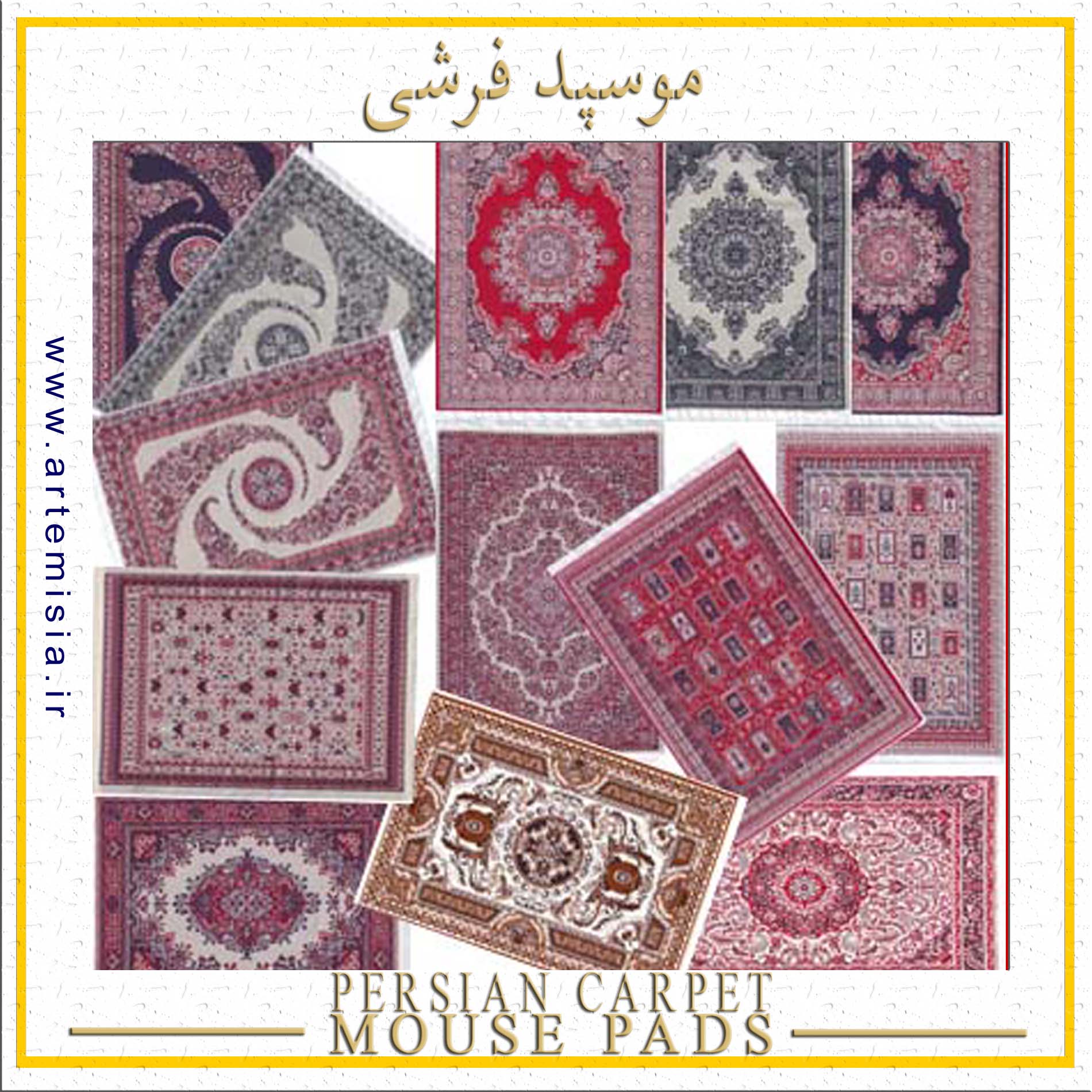
The Ghashghayi are renowned for their magnificent pile carpets, kilims and other woven wool products. They are sometimes referred to as "Shiraz" because Shiraz was the major marketplace for them in the past. The wool produced in the mountains and valleys near Shiraz is exceptionally soft and beautiful and takes a deeper color than wool from other parts of Iran.
No wool in all
Persia takes such a rich and deep color as the Shiraz wool. The deep blue and the dark ruby red are equally extraordinary, and that is due to the brilliancy of the wool, which is firmer and, so to say, more transparent than silk, and makes one think of translucent enamel.
Ghashghayi carpets have been said to be probably the most famous of all Persian tribal weavings. Ghashghayi saddlebags, adorned with colorful geometric designs, which are superior to any others made.
Add definition or comments on Ghashghayi